





Why Overhead Lighting Makes Your Living Room Feel Harsh (And What to Do Instead)
When creating a living room, especially when it comes to lighting, most people’s first thought is about the ceiling - how many spotlights should I use? or what pendant light works best?
But if overhead lighting is the only source of light in your living room, it’s very likely to feel harsh. This is one of the most common living room lighting mistakes, and it’s often why a space can feel cold or uncomfortable in the evening, even when everything else looks right.
Why overhead lighting feels harsh in living rooms
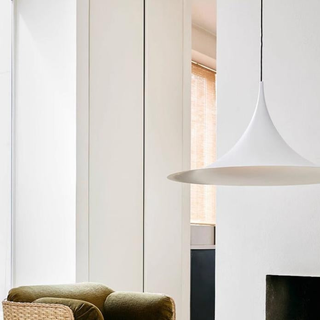
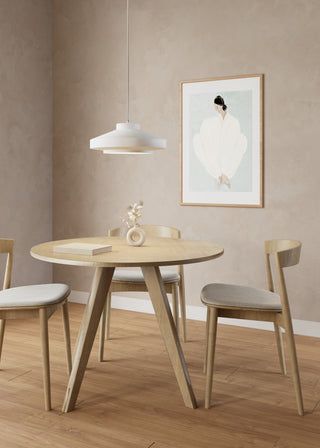
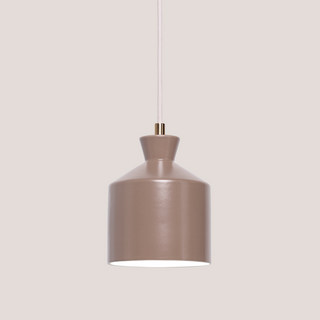
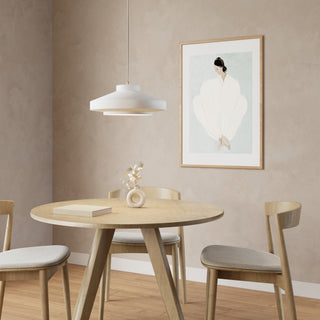
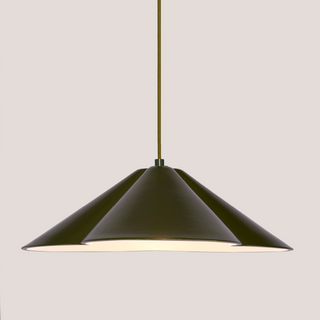
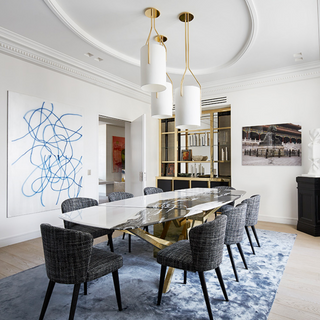
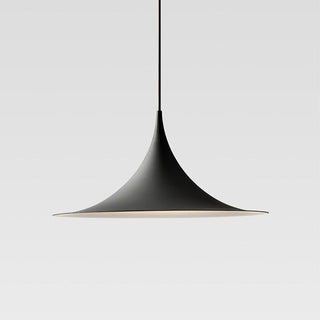
Overhead lighting whether it’s spotlights or a central pendant casts light straight down from above. When relied on alone, this creates strong shadows and flat illumination, which can make living room lighting feel cold rather than cosy, particularly at night.
This doesn’t mean overhead lighting is bad. It’s useful and often necessary, just not as the only layer of light.
The biggest living room lighting mistake
One of the biggest mistakes people make is depending entirely on ceiling lights to create atmosphere. If your living room lighting comes only from above, the space will almost always feel harsh, no matter how warm your bulbs are.
To create a cosy, ambient living room, you need to move away from a single light source and start thinking in layers.
What to do instead: layer your lighting
Layered lighting means using multiple light sources at different heights and positions around the room. Instead of relying on overhead lighting alone, you spread light gently throughout the space.
This can include:
-
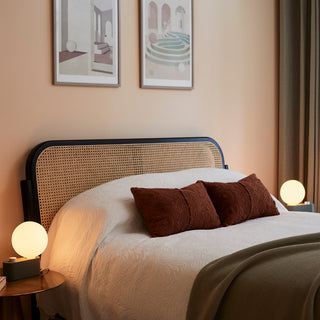
table lamps
-
floor lamps
-
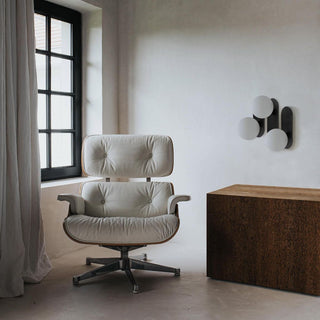
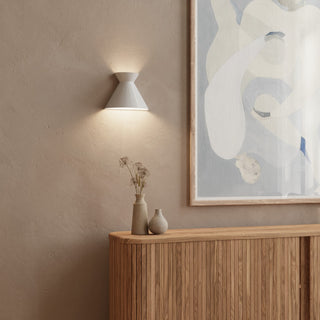
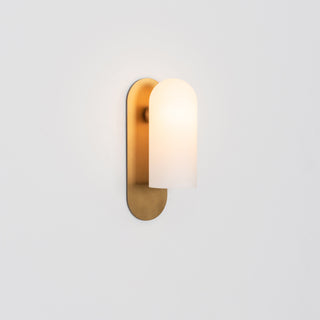
wall lights
-
low-level lighting near fireplaces or shelving
By placing light around the edges of the room, on walls, floors, and surfaces, you soften shadows and create depth. This kind of ambient lighting makes a living room feel warm, relaxed, and inviting, especially in the evening.
How many lamps should you have in a living room?
One extra lamp on its own won’t create a cosy atmosphere. To make a living room feel warm and comfortable, you need multiple light sources spread throughout the space.
Relying on just one lamp often leaves the room unevenly lit, with dark corners and harsh contrasts. Instead, aim for several lamps placed at different heights — for example, a table lamp, a floor lamp, and a wall light. This creates layered lighting, which softens the room and allows the light to wrap gently around the space.
The goal isn’t brightness, but balance. Multiple, lower-level lights working together create a calm, inviting environment that feels relaxed in the evening.
When overhead lighting is useful
Overhead lighting still has its place. It’s practical for cleaning, tidying, or during the day when strong natural light needs balancing - particularly in summer, when bright daylight can make a room feel unevenly lit.
In these moments, switching on ceiling lights helps keep the space functional rather than dim. But once the evening arrives and you want to relax, overhead lighting should step back, not take centre stage.
Creating cosy lighting in the evening
For evenings at home, the key is increasing the number of light sources rather than the brightness of one. Multiple, softer lights create a calm atmosphere and allow your living room lighting to adapt to how you want to feel - slower, warmer, and more comfortable.
If your living room feels harsh at night, it’s rarely about one bright light. It’s about having enough low-level light, spread across multiple light sources in the right places.
If you’re looking for cosy wall lights, you can explore them here.